
Päivälehden Museo
PDF Tulosta Sähköposti
Permanent exhibition

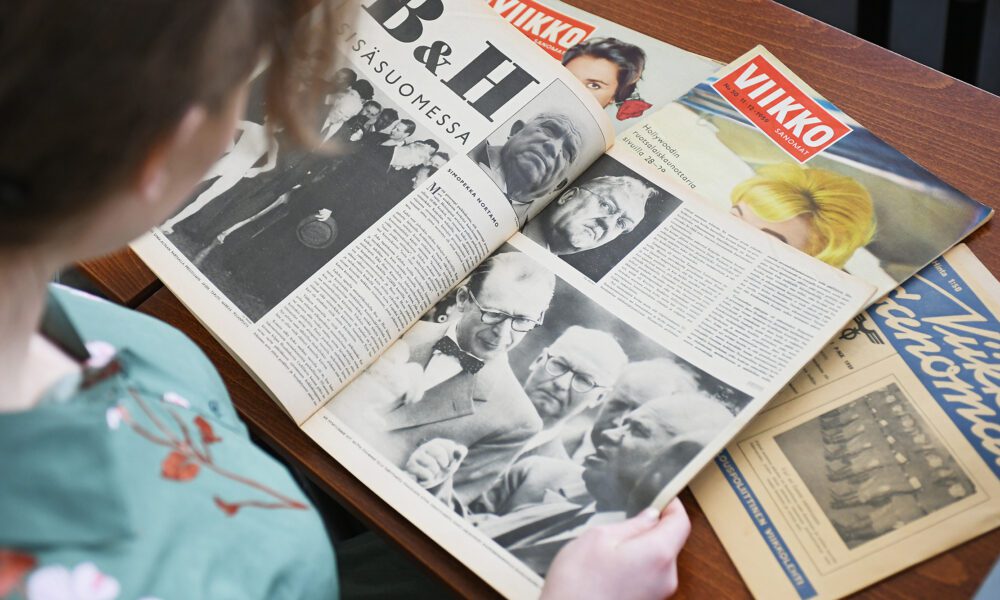
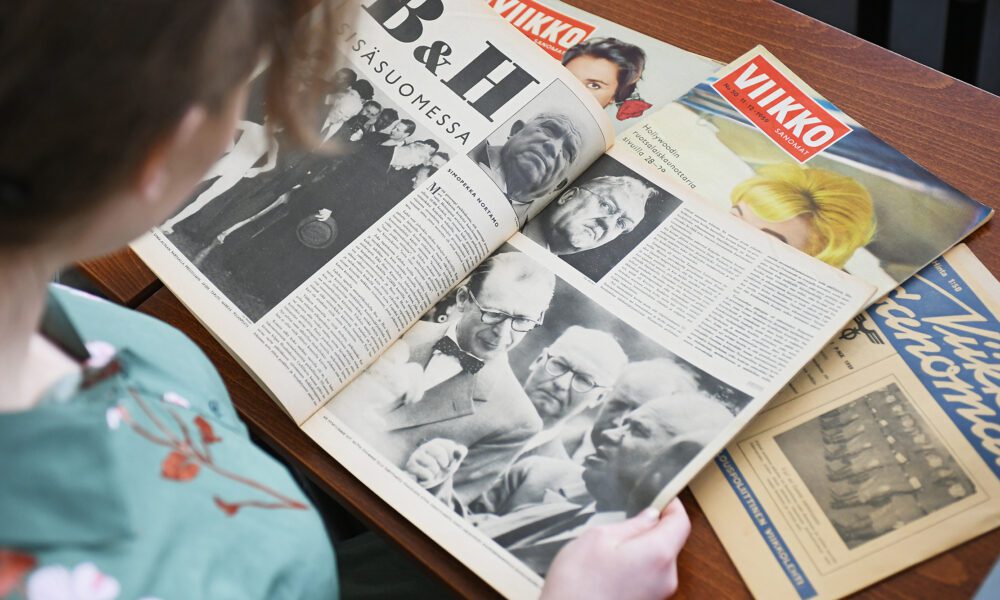
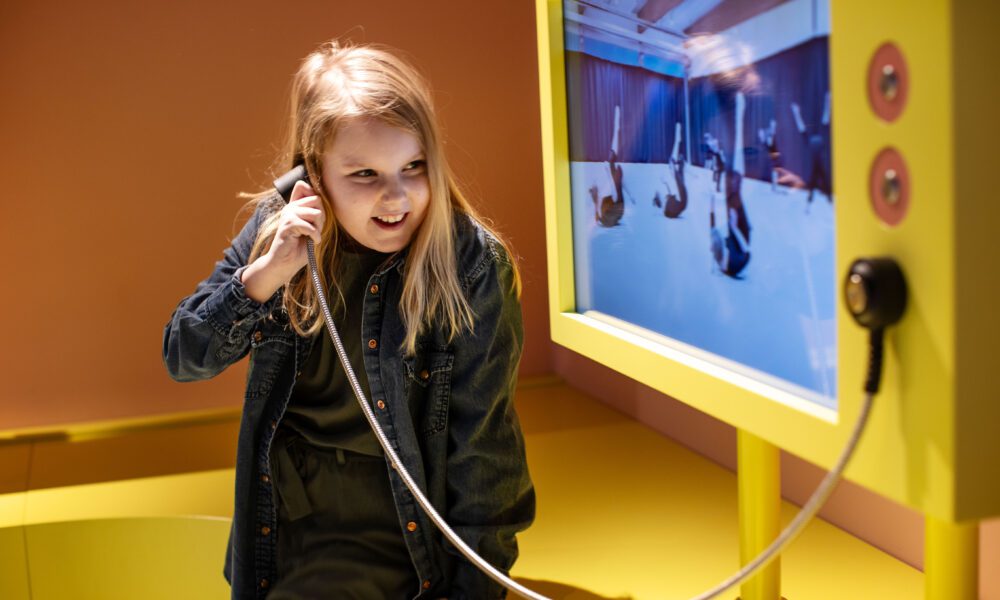
The museum's main exhibition "Time of the News" describes the history of Finnish journalism and Helsingin Sanomat - Finland's largest newspaper - from the late 19th century to the present day.


1889 to 1904

In the year 1889 the newspaper Päivälehti, predecessor of Helsingin Sanomat, was launched. The paper’s founders, Juhani Aho, Eero Erkko and Arvid Järnefelt, were young radicals of the day who wanted to foster democratic and liberal developments in Finnish society.

Päivälehti was suppressed in the summer of 1904. Censorship exercised by the Russian authorities had made the editorial work difficult from the start, and the paper had suffered an increasing number of sanctions. Among other things, its Editor-in-Chief, Eero Erkko, had been dismissed from his position and exiled from Finland.

1904 to 1919

In the autumn of 1904 Helsingin Sanomat was established to continue the work of the suppressed Päivälehti. The early stages of the newspaper were related to the strong growth of the political-party press. Helsingin Sanomat too was a party paper – the organ of the liberal Progressive Party (Edistyspuolue).

Along the left-wing/right-wing axis Helsingin Sanomat was positioned among the bourgeois papers. In 1918 when civil war divided Finland into Reds and Whites, Helsingin Sanomat was clearly on the side of the Whites. However, when peace returned, it was among the first to promote national reconciliation.
1920 to 1939

Helsingin Sanomat was radically restructured in the 1920s and 1930s. The new Editor-in-Chief, Eljas Erkko, managed to combine market needs and the newspaper’s development into a profitable business, and by the end of the 1920s Helsingin Sanomat had grown into the largest newspaper in the country.

The paper’s recipe for success in the 1920s and 1930s was based on a renewal of content. The new news journalism included more dramatic choices in reportage and impressive headlines. Sports, crime and accidents pervaded the columns. Meanwhile, the paper also began to distance itself from its political-party origins.


1940 to 1959

The war years increased people’s hunger for news, but the war also made newspaper publication more difficult. Censors monitored communications, while material shortages affected both the content and the appearance of newspapers: texts had to be shortened and illustrations pruned down.

After the war, in the 1950s, Finns were more avid newspaper readers than ever. Finnish newspapers had subscribers in abundance, and the number of their pages increased. While the traditional party papers lost their subscribers, the circulation of politically independent papers grew. In 1955, Helsingin Sanomat, which had declared itself a politically independent newspaper, had a quarter of a million subscribers and was the largest newspaper not only in Finland, but also in all the Nordic countries.


1960 to 1989

In the 1960s Helsingin Sanomat developed in a more modern and pluralistic direction. The change was led by the new Editors-in-Chief, Aatos Erkko and Teo Mertanen. Automatic data processing made production more efficient from the 1960s onwards. Regional editorial staffs, the paper’s own picture editing staff and a data communication centre with telex were other aspects of the progressive management.

Television became increasingly common in Finland in the 1960s. Thus, the newspapers had to compete not only against each other but also against the rapidly-growing field of electronic communications. Nevertheless, newspapers managed to increase their circulation: Helsingin Sanomat’s Sunday edition had more than half a million subscribers in 1984.


1990 Onwards

Studies show that today’s Finns are the third most avid newspaper readers in the world. Yet electronic media are also being followed more and more. So what are the prospects for a printed newspaper?

Helsingin Sanomat has responded to the competition from the Internet and mobile technology by developing new products and services. The newspaper’s first online edition was published in the spring of 1996; in 2005 Radio Helsinki joined the media family. At their best, printed and electronic media are not competitors, but rather complementary aspects of modern communication.


PÄIVÄLEHTI MUSEUM
Ludviginkatu 2–4,
00130 Helsinki
Finland
Free entry!